Cable & belt speed measurement

Precision speed measurement

Optivelo LDV is a laser-based, non-contact speed sensor for cables, conveyor belts and moving surfaces. It measures surface speed and calculated length without a measuring wheel, avoiding wheel slip and contact with the material.

Available for purchase or rental. Contact us to discuss your measurement task, mounting arrangement and required outputs.

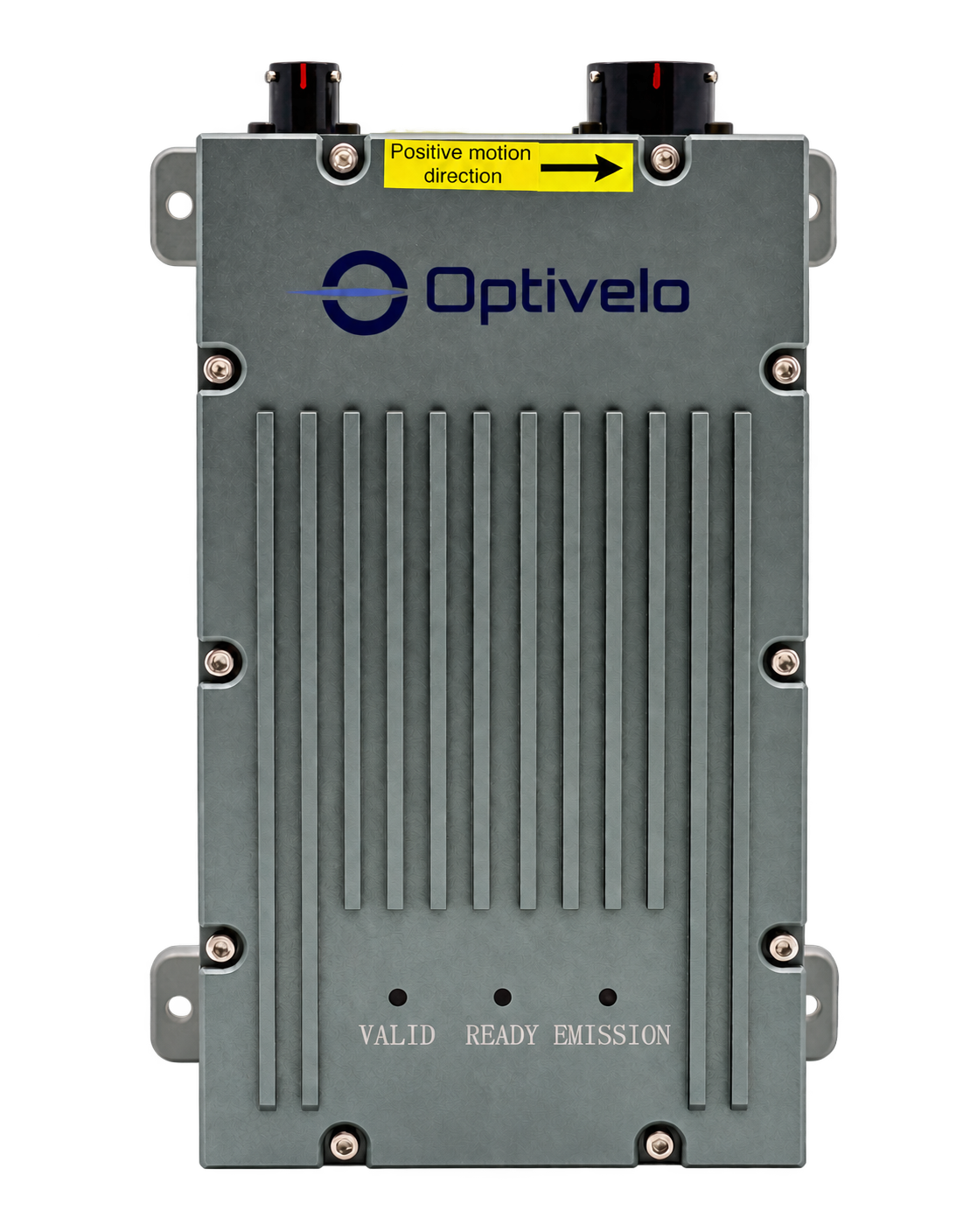
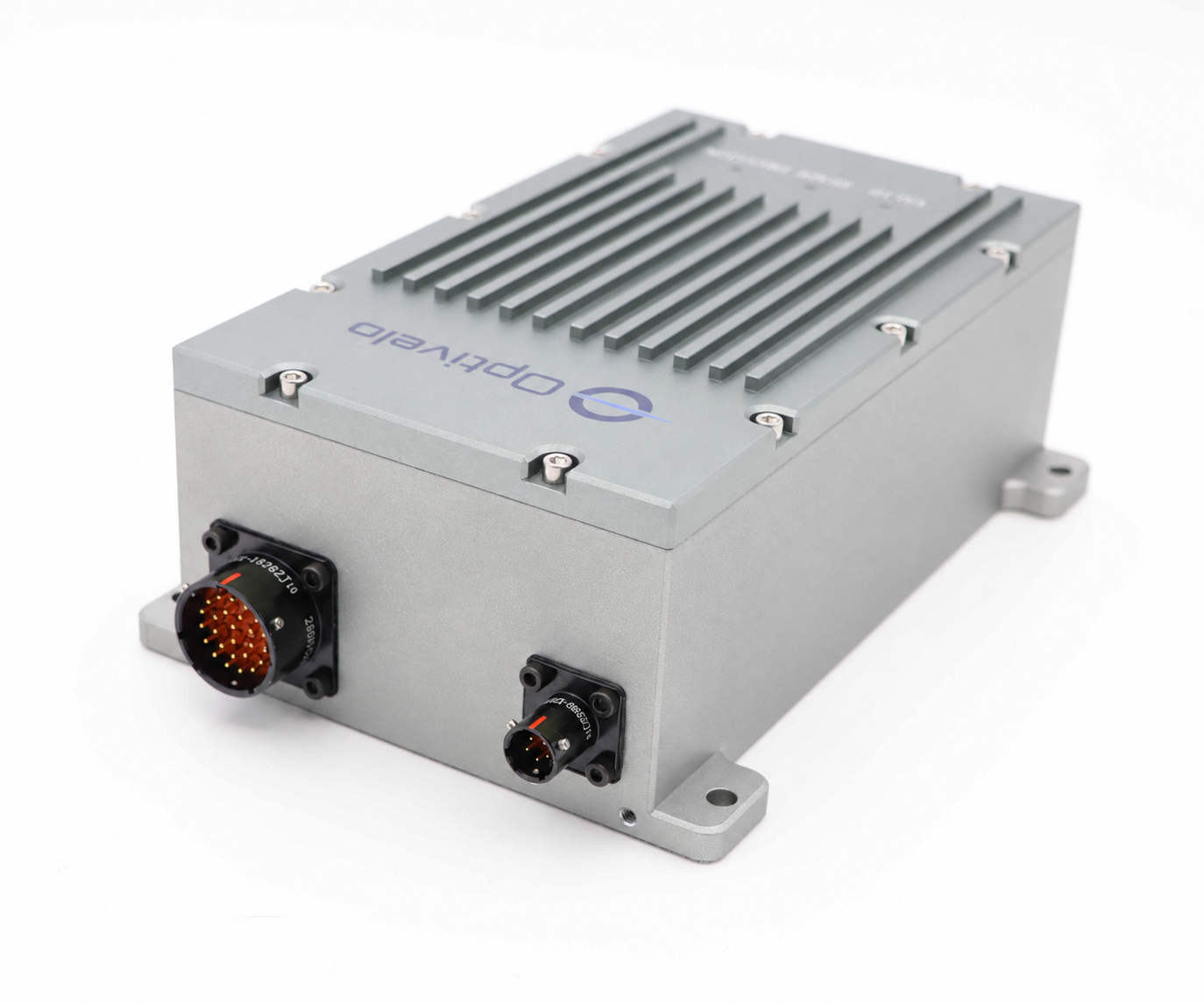
Optivelo Laser Doppler sensor with its connectors
300 mm Nominal measurement distance0.05% Expected accuracy24 V DC Power supplyPulse & serial Configuration dependentExplore the measurement principle

Measurement capabilities

Built for accurate, practical measurement

Non-contact measurement

Measure surface speed without a wheel touching the material.

High accuracy

Expected accuracy of 0.05% for speed measurement.

Low-speed capable

Designed for processes where movement is slow and precision matters.

Multiple outputs

Pulse and serial interfaces, selected to suit the supplied configuration.

Optivelo LDV sensor with branded housing

Product

Optivelo LDV

A Laser Doppler sensor for non-contact surface speed and length measurement. The optical head observes the moving material without a measuring wheel, so there is no wheel slip or contact with the surface.

The pictured Optivelo LDV is configured for a nominal 300 mm measurement distance and low-speed cable movement.

Expected accuracy: 0.05%.

Available for purchase or rental. Contact us to discuss your application, purchase or rental requirements, and equipment availability.

Typical uses

  • Cable lay and handling operations
  • Conveyor and belt speed monitoring
  • Test rigs and measurement development
Measurement principle

How laser Doppler measurement works

Optivelo uses laser light to measure how fast a surface moves, without touching it. This allows cable, belt and material movement to be monitored without the slip or wear associated with a measuring wheel.

  1. The sensor splits laser light into two beams and directs them towards the same measurement point. Where they overlap, they form a fine pattern of alternating light and dark bands, known as interference fringes.

  2. As the surface moves through this pattern, it scatters light back towards the sensor. The resulting signal changes at a frequency related to the speed of movement: faster movement produces a higher Doppler frequency.

  3. The electronics identify the Doppler frequency using digital signal processing. Because the laser wavelength and beam geometry are known, the sensor can calculate the surface speed in the measurement direction.

  4. By continuously adding up movement over time, the system calculates how much material has passed the measurement point.

Measurement in motion

Paused
Laser Doppler measurement demonstration A stationary grey sensor directs two laser beams to the moving surface. The beams meet exactly at the surface. An enlarged inset shows the fixed interference pattern. Select a step to explore the signal, speed and accumulated length. OPTIVELO Optivelo LDVOptical head Scatteredlight 300 mmnominal Overlap,enlarged Moving cable or surface
Scattered-light signalSchematic frequency
Surface speed6.0 m/min
Accumulated length0.00 m
01 / Beams overlap at the measurement point
Select a step to explore the measurement process. Schematic, not to scale.

Integration

Plan the installation around the process

Position

Mount this sensor approximately 300 mm from the moving surface, within its specified depth of field. Align the measurement beam to the direction of travel and keep a clear optical path.

Power & signals

The unit requires a 24 V DC supply. Match the pulse and serial connections to the wiring documentation for the supplied unit.

Environment

Account for changing cable position, moisture, contamination and background reflections when designing the mounting arrangement.

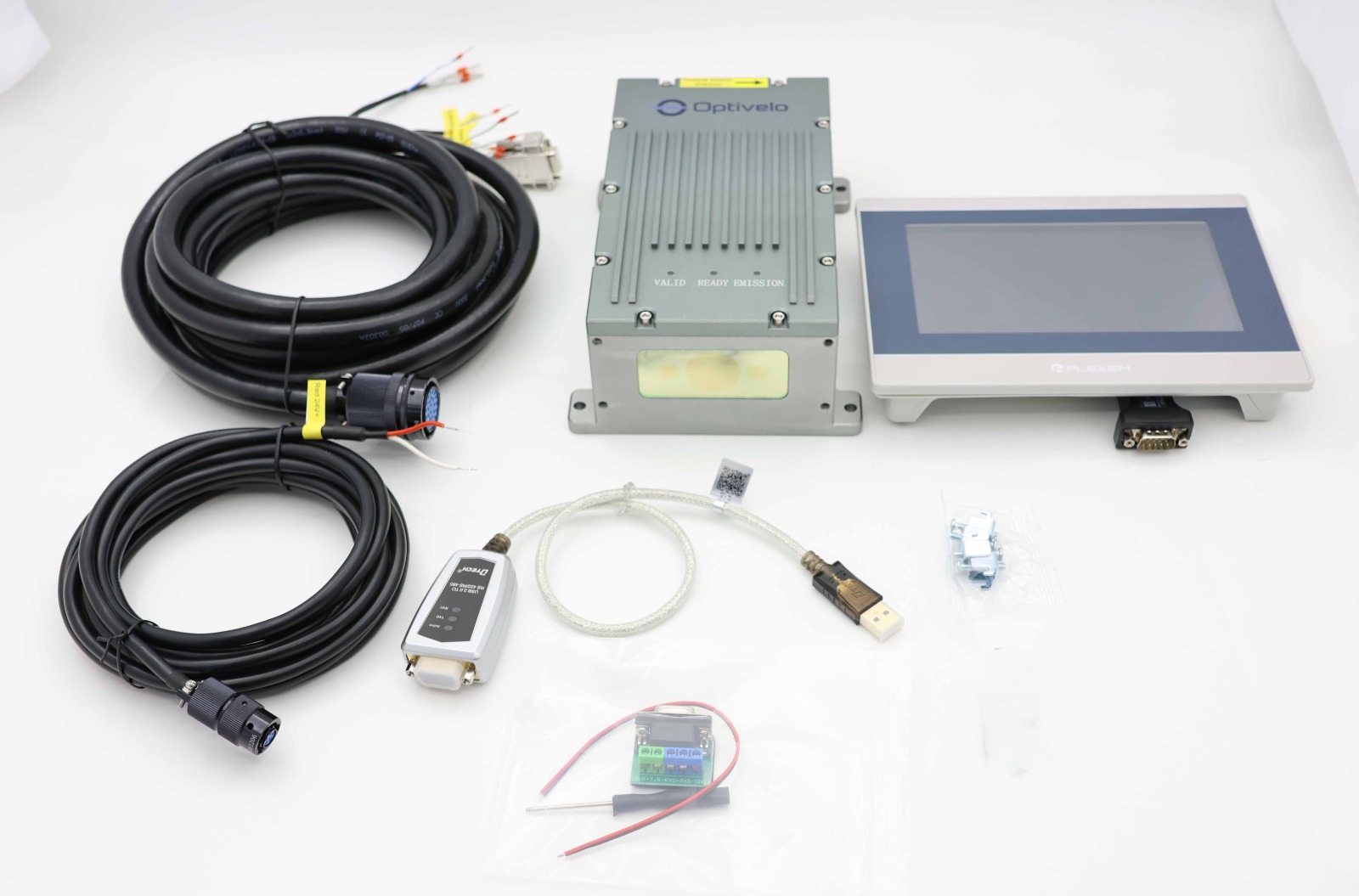
Optivelo LDV sensor alongside connection cables, display and interface accessories
Optivelo LDV with display, connection cables and interface accessories. Contact us to confirm the equipment and interfaces for your application.

Applications

Measurement across industries

A flexible measurement approach for cable movement and other surfaces where direct contact is impractical.

Sensor over a cable passing through a handling system.

Marine & Offshore

Monitor cable movement during handling and installation operations.

Planning your measurement

Plan for changing cable position, vessel vibration and a stable mounting point. Confirm the surface condition and required connection to your logging system.

Discuss this application
Sensor over the top surface of a conveyor belt.

Manufacturing

Measure conveyor belt speed and continuously moving material without contact.

Planning your measurement

Identify a clear view of the material, the expected speed range and any movement towards or away from the sensor. Confirm the required pulse or serial interface.

Discuss this application
Sensor measuring a sample on a linear test rig.

Test & R&D

Capture speed data for trials, validation and development work.

Planning your measurement

Describe the surface, expected speed range and reference measurement. Define the outputs and recording method needed for your trial.

Discuss this application

Contact Optivelo

Discuss your measurement needs

Looking to purchase a sensor, arrange a short-term rental or get technical guidance? Tell us about your application and we can discuss a suitable configuration.

Useful details include:

  • Cable, belt or surface material
  • Expected speed range and measurement distance
  • Mounting arrangement and operating environment
  • Required outputs or integration requirements

Available for purchase or rental. Let us know whether you are interested in purchasing or renting. For rental enquiries, include your preferred dates so we can check availability and provide a quotation.

Prefer email?
post@optivelo.no

Describe what you need to measure and any technical requirements.

Your details will be used to respond to this enquiry. Please do not include sensitive information.